This article was medically authored by Dr. Sachin Sheth and last reviewed for accuracy on 08/06/2026.
Hemorrhoids, also referred to as piles, develop due to swelling in the blood vessels and tissue around and in your anus. Forming as internal hemorrhoids within the rectum, or as external hemorrhoids, surrounding your anal opening, they can leave you experiencing discomfort, itching or bleeding with bowel movements. But is there a connection between your hemorrhoids and gas or bloating? Keep reading to find out more about common symptoms of hemorrhoids.
Key Takeaways
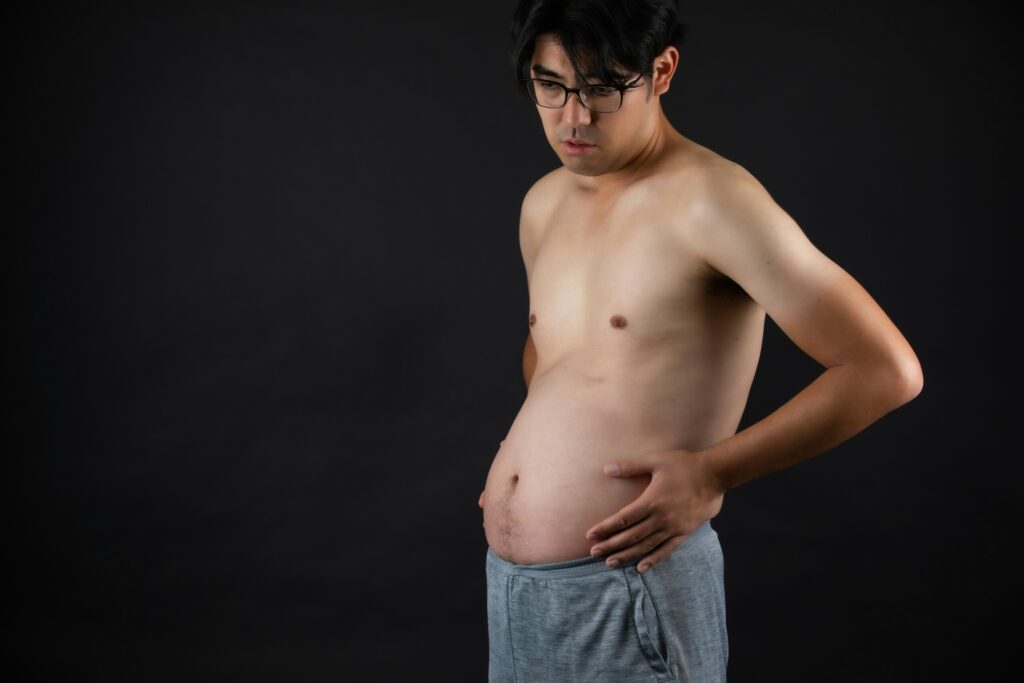
Gas is not considered a symptom of internal hemorrhoids, which means you won't develop gas as a direct result of having piles. But internal hemorrhoids can make it harder for you to pass stool or gas comfortably. As such, gas may build up over time in your body, and you could become painfully bloated.
When you have hemorrhoids and gas, you could relieve bloating and constipation by adding more fiber to your diet. You should also increase your fluid intake, focusing mainly on water and steering clear of irritating beverages with caffeine or artificial sweeteners. Avoiding gum chewing can also reduce gas buildup, as can eating and drinking slowly and mindfully, without talking while you chew or swallow. And you can relieve gas and other hemorrhoid symptoms with dietary changes.
Start by eliminating foods that trigger gas buildup, such as:
Common, direct symptoms of internal hemorrhoids include:
Depending on what grade of internal hemorrhoid you have developed, you may experience prolapse. This develops when internal hemorrhoids protrude from the anus. With Grade 1 hemorrhoids, no prolapse will be present. With a grade 2-3 condition, the prolapsed hemorrhoid can be manually repositioned inside the anus. Once piles are classified as Grade 4, the prolapsed hemorrhoid cannot be repositioned inside the rectum, limiting your treatment options to surgery.
Mild, Grade 1 hemorrhoids can be addressed with home care and lifestyle changes. Many patients can find relief from a diet to help hemorrhoids. You should also reduce time spent sitting, particularly in the bathroom. You may also benefit from soaking in warm, shallow water (known as a sitz bath) or from applying over-the-counter hemorrhoid creams to areas of inflammation.
After having a bowel movement, avoid vigorous wiping and try instead to gently pat yourself clean. You could also ditch the TP in favor of medicated wipes. (Just be sure they're flushable to avoid plumbing concerns.) Or take a page from the Europeans and use a bidet attachment for your toilet, eliminating the need to irritate your affected area.
Finally, if you need to relieve grade 2 or 3 internal hemorrhoids and gas or other symptoms, it may be time to explore a medical procedure for symptom relief. Here at our three Georgia Endovascular locations, we perform hemorrhoid artery embolization (HAE), a minimally invasive procedure to shrink hemorrhoids without surgery. The procedure works by limiting blood supply to the swollen vessels, causing them to shrink. Simply request a consultation today, and we'll work together to decide if you’re a candidate for HAE.
Scheduling
Please contact our dedicated specialists to schedule a consultation today.