This article was medically authored by Dr. Kevin Lie and last reviewed for accuracy on 06/18/2026.
Patients with hemorrhoids may be told to change their diets. Why is that the case? Dietary changes can reduce constipation. And that could eliminate hemorrhoid risk factors such as straining and sitting for too long on the toilet. Moreover, certain dietary staples may provide additional benefits that help relieve these swollen blood vessels in and around the rectum. But what's the best diet to help hemorrhoids? Here's what you need to know.
Key Takeaways
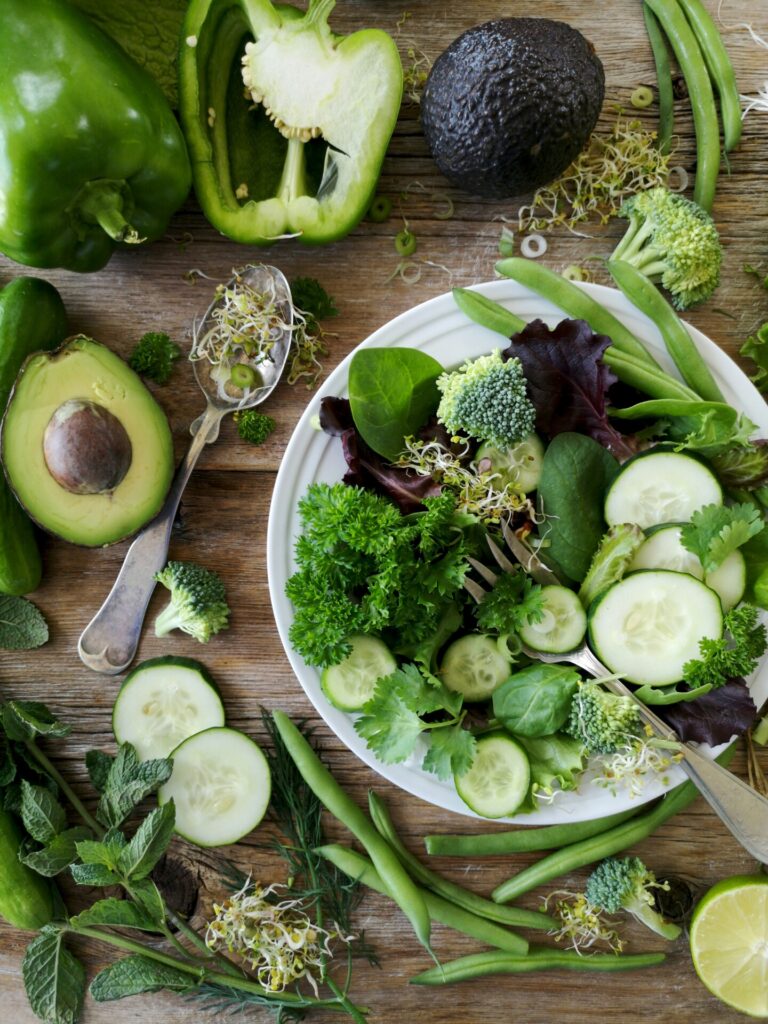
A high-fiber diet can help manage hemorrhoid symptoms by giving you softer stools and reducing your risk for constipation. When you aren’t constipated, you spend less time on the toilet, and you strain less when trying to pass a bowel movement. Both these factors reduce pressure on your rectum, helping reduce your risk for piles. (Another name for hemorrhoids.)
But how much fiber is enough to prevent constipation? The Dietary Guidelines for Americans, 2020–2025, suggests getting 14 grams of fiber per day for every 1,000 calories consumed, meaning you should get at least 28 grams each day if you're following a 2,000-calorie diet. But what foods should you include in that diet? Try adding:
Make sure to also drink lots of water every day, and get plenty of regular exercise. For some patients, these lifestyle changes will be sufficient to prevent or treat mild hemorrhoids. But others will need more help to find relief.
If you aren’t able to reach your daily fiber goals through diet alone, your doctor may suggest adding a fiber supplement to your diet for hemorrhoids relief. Additionally, research now suggests that curcumin (a molecule found in turmeric) can help relieve hemorrhoids symptoms due to its “anti-inflammatory, antitumor and antioxidant effects.” It also appeared to help prevent hemorrhoids, suggesting it may be an important addition to your diet if you’ve struggled with piles in the past. However, these results were only produced in an animal study, so further research will be necessary before specific doses and methods of consumption can be recommended for humans.
While you're upping your daily fiber intake, you can also avoid foods that may trigger constipation. Some of the worst offenders include low-fiber items such as the ones listed below.
Low-fiber foods to avoid constipation and reduce your risk for piles:
Lifestyle changes work well when you're dealing with mild internal hemorrhoids (grade 1, based on degree of protrusion from the anus.) But if your condition is more severe (grade 2-3, meaning any protruding hemorrhoids can still be manually replaced inside the rectum), and you experience bleeding when you pass bowel movements, it may be time to seek medical intervention at Georgia Endovascular. Our experts perform hemorrhoid artery embolization (HAE), a minimally-invasive procedure that relieves hemorrhoid symptoms by reducing blood flow to these swollen vessels, causing them to shrink in the weeks following your procedure.
As an added bonus, HAE allows you to avoid overnight hospital stays, surgery, and many medical complications associated with hemorrhoid surgery. Are you ready to explore your candidacy for hemorrhoid artery embolization? Request a consultation today at one of our three locations in the greater Atlanta area.
Scheduling
Please contact our dedicated specialists to schedule a consultation today.