This article was medically authored by Dr. Kevin Lie and last reviewed for accuracy on 05/14/2026.
Frozen shoulder is the common name for adhesive capsulitis. This is a painful, progressive condition in which the joints in your shoulder become inflamed, thickened and stiff, resulting in severe limits on your mobility. Because the condition progresses in stages, recognizing the early symptoms of frozen shoulder is important—it will allow you to seek timely treatment, preserving your mobility.
Key Takeaways
Table of Contents
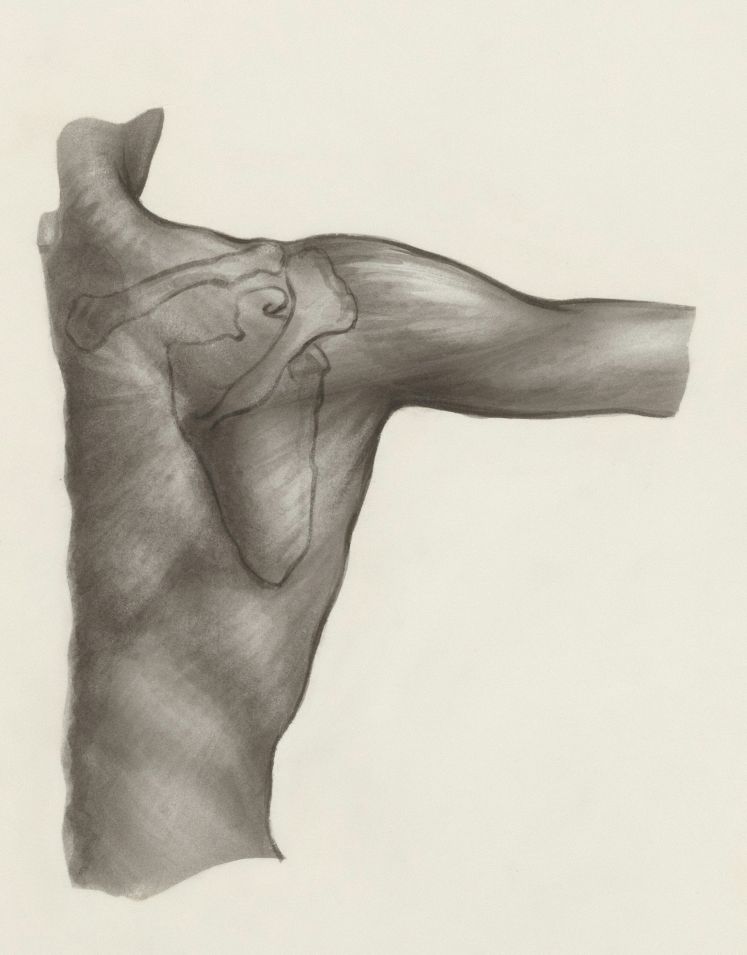
Frozen shoulder develops when the capsule (connective tissue sac) in your shoulder thickens and tightens around your joint. Often, scar tissue also forms in the area, and that limits your shoulder mobility.
Risk factors for adhesive capsulitis include:
As we mentioned earlier, there are four stages of frozen shoulder development.
Stage 1: Pre-Freezing, a stage during which you notice pain with movement, but mobility is still preserved
Stage 2: Freezing, during which you experience severe pain and restricted shoulder movement
Stage 3: Frozen, the period during which your shoulder is very stiff
Stage 4: Thawing, a time period when the shoulder gradually loosens and movement is restored.
Before your shoulder reaches the freezing stage, you will notice progressively worsening symptoms, such as:
Since adhesive capsulitis will naturally progress through the four condition stages, eventually thawing without intervention, you may wish to avoid seeking medical intervention. However, it’s important to recognize that each stage could be lengthy, with the frozen period lasting as long as a year, and complete thawing taking up to two years to occur naturally. For that reason, you should seek treatment as soon as symptoms appear. That is the best way to reduce your pain and preserve your shoulder mobility.
Some patients will be able to treat a frozen shoulder with stretching and/or physical therapy. Steroid injections can provide immediate pain relief and improved range of motion. However, the relief is temporary, and you will need multiple injections to maintain the initial results. (Often, the relief lasts for shorter time periods as you receive additional injections.
In the past, patients who had exhausted these options would have to undergo capsular release surgery. This would provide pain relief while restoring mobility. But it would also necessitate general anesthesia along with an extended recovery period.
Today, there’s another option. When patients fail to find relief for symptoms of frozen shoulder from physical therapy or medications, they can undergo a minimally invasive alternative: FSE, or Frozen Shoulder Embolization. Available at Georgia Endovascular, this adhesive capsulitis treatment allows patients to return to normal activities within 1-3 days; there’s no need for major incisions, stitches or general anesthesia. Best of all, studies like this showcase a 100% success rate, with patient-reported results confirming FSE provides relief in about 88% of cases.
Have you started to experience symptoms of frozen shoulder, and you aren’t responding to physical therapy, stretching or medication? FSE may be your best way to stop the pain and preserve your shoulder mobility. Reach out to our team to request a consultation and discuss your eligibility.
Scheduling
Please contact our dedicated specialists to schedule a consultation today.