This article was medically authored by Dr. Kevin Lie and last reviewed for accuracy on 11/25/2025.
When you have pain in your joints, you may wonder if you’re developing arthritis in the knee. Below, we break down the signs and symptoms of knee osteoarthritis. We also share symptoms of other forms of arthritis, along with other possible causes of your knee pain.
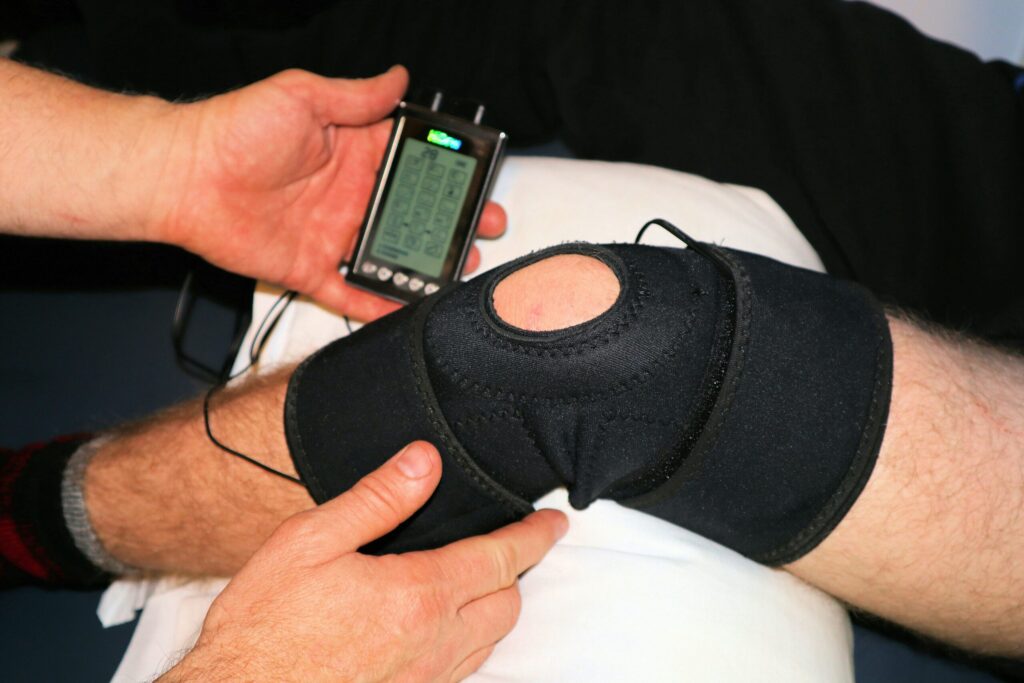
In order to find effective knee pain relief, it’s important to understand what’s causing your discomfort. Here are the signs and symptoms to look for:
This is the most common form of arthritis; it’s a progressive condition in which the cartilage around your joints and bone ends breaks down, allowing bones to rub against each other. In turn, you may experience pain, stiffness, reduced range of motion in your joints and swelling or redness around the joints. When trying to bend your knees, you may also hear a cracking or popping sound.
Unlike osteoarthritis, RA is an autoimmune condition that causes your body to attack its own joint’s. Like osteoarthritis, RA can cause pain, swelling, inflammation and joint damage, typically on both sides of your body. But unlike osteoarthritis, RA symptoms can flare and recede, depending on how well the disease is controlled in your body.
This form of arthritis is the result of built-up uric acid crystals that settle in your joints. While gout symptoms typically manifest first in your great toe joint, they can also impact your knee joint. With gout, you’ll experience severe pain that onsets rapidly. And, like RA, gout flares may be preventable with proper disease control.
Sometimes, that discomfort you feel has nothing to do with arthritis in the knee. Instead, you may have sustained an injury like a sprain or dislocated joint. You may also have experienced an injury or undergone a procedure that left you with scar tissue, resulting in knee pain and/or limits on your range of motion.
Determining the exact cause of your knee pain usually involves an in-person consultation with a trusted healthcare provider. Share all your symptoms, along with information about your lifestyle and when your pain is most intrusive. Then, if you receive a diagnosis of knee osteoarthritis, we encourage you to contact the Georgia Knee Institute to request a consultation . Our specialists perform minimally invasive procedures that relieve the pain of arthritis in your knee, allowing you to delay or avoid surgery while improving your quality of life.
Scheduling
Please contact our dedicated specialists to schedule a consultation today.