This article was medically authored by Dr. Kevin Lie and last reviewed for accuracy on 10/07/2026.
For patients with poor circulation in the legs and feet, a small wound can become a very serious problem, necessitating PAD limb preservation.
When blood flow to the extremities is severely reduced by peripheral artery disease (PAD), the body may not be able to deliver enough oxygen and nutrients to an injured area, interfering with its ability to heal properly. Over time, wounds can worsen, infections may develop, and tissue can become damaged. In advanced cases, patients may face the possibility of amputation.
But amputation is not inevitable.
For many patients with PAD, minimally invasive treatments can help restore blood flow to the affected leg or foot. This process, known as revascularization, may support limb preservation by promoting wound healing, reducing ischemic pain, preserving mobility, and helping prevent limb loss.
Key Takeaways:
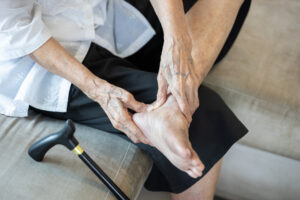
Amputation risk can begin once you develop peripheral artery disease (PAD), a condition in which plaque builds up inside the arteries supplying your legs and feet.
As PAD worsens, blood flow can become dangerously restricted. Some patients develop chronic limb-threatening ischemia (CLTI), an advanced form of PAD associated with symptoms such as:
CLTI requires prompt evaluation. Current cardiovascular guidelines suggest that revascularization via minimally invasive interventional radiology procedures can help prevent limb loss in patients with chronic limb-threatening ischemia.
At Georgia Endovascular, our interventional radiologists use advanced imaging and very small catheters to treat narrowed or blocked blood vessels from inside the artery.
Instead of requiring a large surgical incision, these procedures are generally performed through a small access point, often in the groin, wrist, or foot.
The goal is straightforward: restore as much blood flow as possible to damaged tissue. Depending on the location and severity of the blockage, we may recommend one of several different procedures:
During balloon angioplasty, we guide a thin catheter through your blood vessels to reach the narrowed artery. A small balloon at the tip of the catheter is then inflated within the blockage. This presses plaque outward, creating more room for blood to flow freely.
With this improved circulation, your injured foot or leg received the oxygenated blood it needs to support healing. In turn, we can support limb preservation and reduce the risk for amputation.
Sometimes an artery may need additional support after angioplasty. In such cases, we can place a stent—a small, mesh-like device--inside the artery to help keep it open and maintain blood flow.
Whether a stent is appropriate depends on factors including the artery being treated, the characteristics of the blockage, and your overall vascular condition.
Some arterial blockages contain significant amounts of hardened plaque. In these cases, we may recommend an atherectomy, using a specialized catheter to remove or modify plaque within the artery. Depending on your anatomy and disease, atherectomy may be used alone or together with angioplasty or other endovascular treatments.
The American Heart Association lists angioplasty, stenting, and atherectomy among minimally invasive procedural options used to treat selected patients with PAD.
Not every blockage develops slowly.
A blood clot can sometimes suddenly interrupt circulation to your leg, producing a condition known as acute limb ischemia. This is a medical emergency.
Symptoms can include sudden severe pain, a cold or pale extremity, numbness, weakness, or loss of a pulse in the affected limb.
Depending on the situation, catheter-based treatments may help remove or dissolve the clot, restoring circulation. Acute limb ischemia requires immediate medical evaluation because it’s easier to save a limb when we limit the amount of time in blood flow to your tissue remains blocked.
Treating the wound itself is only one part of limb preservation.
Imagine trying to repair a building while the road carrying your construction supplies is closed. Even excellent wound care may struggle to succeed if oxygen and nutrients cannot reach the injured tissue.
That is why vascular evaluation can be especially important for patients with:
Restoring blood flow may give wound-care treatments a better opportunity to work.
Preventing amputation often involves much more than opening a blocked artery.
The strongest limb-preservation strategies may involve coordinated care among interventional radiologists, vascular specialists, podiatrists, wound-care specialists, primary care physicians, diabetes specialists, and other clinicians.
Current PAD guidelines specifically emphasize this multidisciplinary approach, combining appropriate revascularization with wound and foot care, cardiovascular risk management, and medical therapy.
Treatment may also include:
You may need an ultrasound evaluation in our offices if you experience symptoms of poor circulation, especially if you have diabetes, a history of smoking, cardiovascular disease, or known PAD.
Warning signs can include:
Early recognition matters. The longer tissue remains without adequate circulation, the more difficult limb preservation may become.
While there are situations in which amputation is medically necessary, if you’ve been told that limb preservation is impossible due to poor arterial circulation, have a discussion with our team before scheduling an invasive, irreversible surgery.
For some patients, minimally invasive interventional radiology procedures can provide another pathway toward restoring circulation and preserving the limb.
If you have peripheral artery disease, a nonhealing foot or leg wound, or have been told that poor circulation may put you at risk for amputation, our team of vascular specialists can evaluate your circulation and determine whether a minimally invasive treatment option may be appropriate.
The earlier we identify and treat circulation problems, the more opportunities we will have to protect your tissue, promote healing, preserve mobility and support limb preservation.
Contact our team today to schedule a vascular evaluation at one of our three locations in the greater Atlanta area to learn whether minimally invasive vascular treatment is an option for you.
Scheduling
Please contact our dedicated specialists to schedule a consultation today.