in studies of patients with chronic
plantar fasciitis after other treatments have failed
PFE targets abnormal blood vessels associated with inflammation rather than temporarily masking pain
Performed with local anesthesia and light sedation, with most patients returning home the same day
Interventional radiologists providing advanced, image-guided treatments in Georgia
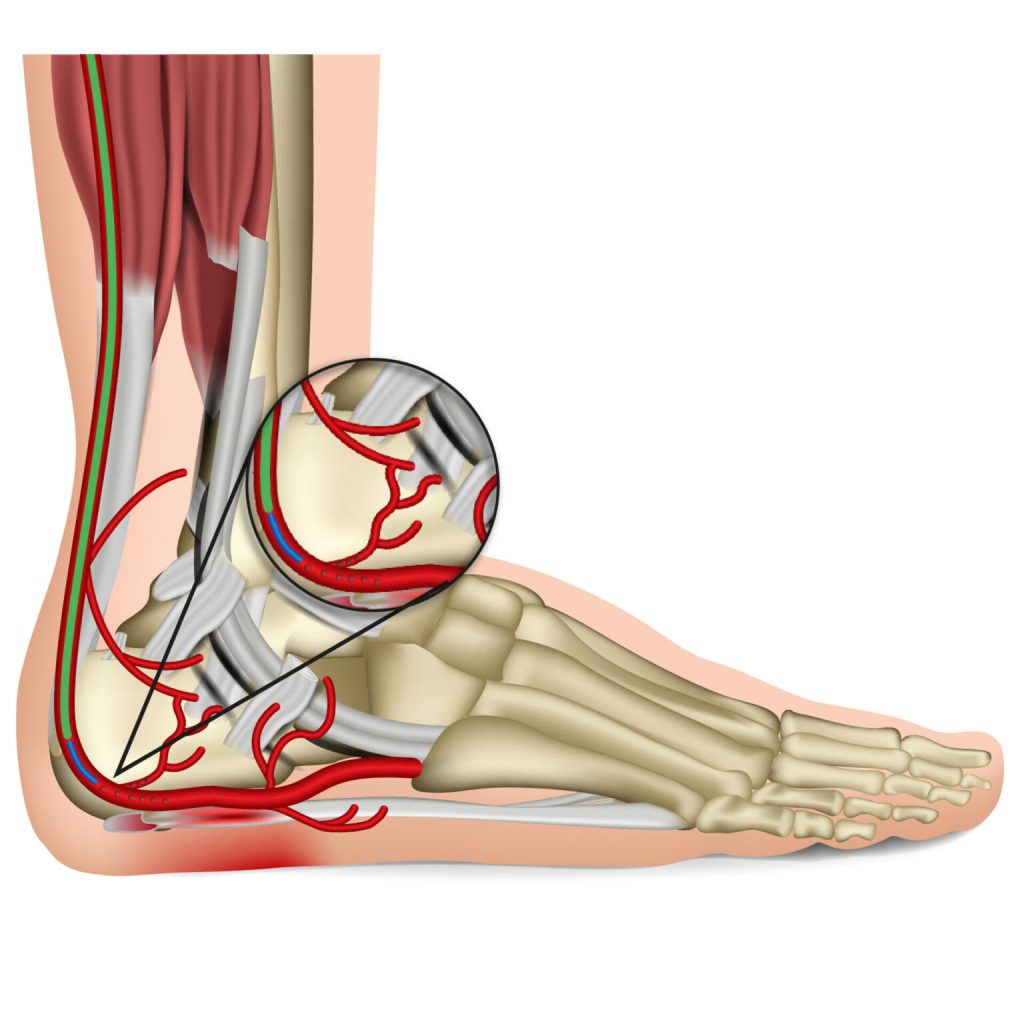
Running, walking, standing for long periods, or other repetitive weight-bearing activities can place ongoing stress on the plantar fascia.
Flat feet, high arches, or changes in the way you walk can affect how pressure is distributed across the foot.
Limited flexibility in the calf and Achilles tendon can increase tension through the heel and plantar fascia.
Suddenly increasing exercise, changing your workout routine, or spending significantly more time on your feet can contribute to symptoms.
Shoes that provide inadequate support or cushioning may increase stress on the plantar fascia.
Plantar fasciitis is common in middle-aged adults, although it can occur at any age.
Additional weight can increase the amount of force placed on the plantar fascia with each step.
Not everyone with these risk factors develops plantar fasciitis, and symptoms can occur without an obvious cause.
If heel pain continues for several months despite appropriate conservative treatment, it may
be time to discuss additional options with your healthcare provider.
Chronic heel pain can change how you walk and make even short distances uncomfortable.
Persistent heel pain can affect work, household activities, travel, and other routines that require you to stay on your feet.
When every step hurts, it's easy to start avoiding activities. Finding an effective treatment approach gets you back to the things you enjoy quicker.
Pain can make running, exercising, playing sports, or simply taking a long walk much harder.
Calf and plantar fascia stretches, along with strengthening exercises, may help reduce symptoms and improve foot mechanics.
Individualized PT programs can address flexibility, strength, gait, and other contributing factors.
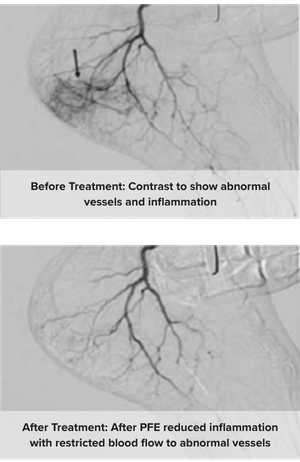
When conservative treatment isn’t enough, PFE minimally invasively targets abnormal blood vessels linked to inflammation.
Supportive footwear, shoe modifications, or custom orthotics may help redistribute pressure and reduce strain.
Injections, PRP, shockwave therapy, or other treatments may be considered based on your diagnosis and prior care.


Small catheter access: Your physician makes a small access point, typically through an artery in the ankle or leg, and introduces a thin catheter.
Image-guided navigation: Using advanced imaging, the catheter is carefully guided toward the blood vessels supplying the affected area.
Identify abnormal vessels: Your interventional radiologist uses imaging to identify the vessels associated with the abnormal blood flow around the plantar fascia.
Targeted embolization: Tiny embolic materials are delivered through the catheter to selectively reduce blood flow through the targeted vessels.
Recovery: The catheter is removed and the access site is covered with a small dressing. PFE is performed as an outpatient procedure, so patients generally return home the same day. The goal is to reduce abnormal blood flow associated with inflammation and give the affected tissue an opportunity to heal over time.
| Treatment | Invasiveness | Approach | Typical setting | Surgical incision |
|---|---|---|---|---|
| Plantar fasciitis embolization (PFE) WHAT WE DO | Minimally invasive (pinhole) | Reduces abnormal blood flow associated with inflammation | Outpatient | No |
| Steroid injections | Minimally invasive | Delivers medication near the affected tissue | Office/outpatient | No |
| Physical therapy | Non-invasive | Addresses flexibility, strength, and foot mechanics | Outpatient/home | No |
| Shockwave therapy (ESWT) | Non-invasive | Uses acoustic waves to stimulate the affected tissue | Outpatient | No |
| Plantar fascia release surgery | Surgical | Surgically releases part of the plantar fascia | Surgical facility | Yes |
Our board-certified interventional radiologists specialize in image-guided embolization and minimally invasive vascular procedures.
Advanced, precise imaging allows your physician to clearly identify and precisely target the small vessels involved in the treatment.
Plantar fasciitis embolization uses a minimally invasive, catheter-based approach rather than surgically cutting or releasing the plantar fascia.
PFE is performed on an outpatient basis, allowing patients to return home after treatment rather than staying overnight in a hospital.
Your symptoms, diagnosis, previous treatments, medical history, and goals are all considered before treatment is recommended.
Georgia Endovascular offers PFE at locations throughout the greater Atlanta area, including Atlanta, Tucker, and Stockbridge.


3225 Cumberland Blvd. Southeast
Suite 520
Atlanta, GA 30339

1975 Lakeside Pkwy
Suite 300
Tucker, GA 30084

1035 Southcrest Dr.
Suite 220 + 250
Stockbridge, GA 30281
Plantar Fasciitis Embolization (PFE) is a minimally invasive, catheter-based procedure designed to reduce abnormal blood flow associated with chronic plantar fasciitis. Tiny embolic materials are delivered to selected blood vessels supplying the affected area.
PFE uses image guidance to identify abnormal vessels associated with inflammation around the plantar fascia. Your physician then uses a small catheter to deliver embolic material to those vessels, reducing blood flow through the targeted areas.
PFE may be considered for patients with a confirmed diagnosis of chronic plantar fasciitis who continue to experience significant heel pain despite conservative treatments such as physical therapy, stretching, orthotics, activity modification, or other appropriate treatments. Your physician will evaluate your individual condition before determining whether PFE is appropriate.
There is not one universal timeframe that applies to every patient. PFE is generally considered for chronic symptoms that have persisted despite appropriate conservative treatment. Georgia Endovascular's current patient materials describe persistent symptoms lasting several months as part of the candidacy discussion.
No. PFE is a minimally invasive, catheter-based procedure. It does not require an incision through the foot or surgical release of the plantar fascia.
Local anesthesia and, when appropriate, mild sedation are used to help keep you comfortable during treatment. Temporary soreness or discomfort can occur afterward.
The procedure typically takes approximately one to two hours, although the total time at the treatment center will include preparation and recovery. Individual procedure times vary.
Yes. PFE is performed on an outpatient basis, and patients typically return home the same day after being monitored by the care team.
The timing of improvement varies. Some patients may begin noticing changes in symptoms within days or weeks, while continued improvement can occur over a longer period as inflammation subsides.
Research on PFE is encouraging, but it is still a relatively newer treatment for plantar fasciitis, so long-term outcomes continue to be studied. Georgia Endovascular's educational content specifically notes that available evidence regarding the duration of relief is still developing.
Coverage varies by insurance plan and individual medical circumstances. Georgia Endovascular can help verify your benefits and explain your coverage before treatment.
Scheduling
Please contact our dedicated specialists to schedule a consultation today.