This article was medically authored by Dr. Sachin Sheth and last reviewed for accuracy on 06/18/2026.
If your legs feel tired, achy or heavy at the end of the day, this is not normal, and several conditions could be to blame. In today’s post, we review the vascular conditions that can cause you to experience leg heaviness. Then, we highlight possible treatment options to help you find relief.
Key Takeaways
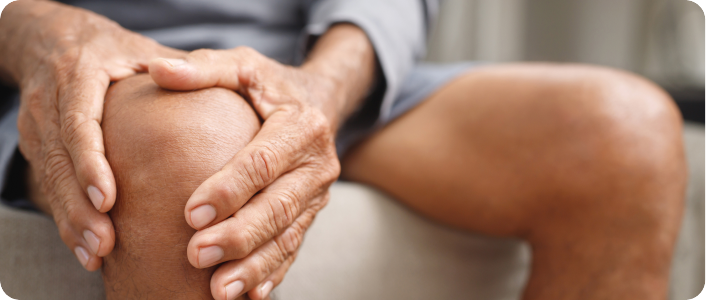
At Georgia Endovascular, we see many patients with heavy legs that result from chronic venous insufficiency (CVI), a type of vein disease. This condition develops when the valves in your veins sustain damage, allowing blow to flow backward and pool in your leg veins and the surrounding tissue. When that happens, the veins can stretch and bulge, resulting in varicose veins. That extra pooling blood is a lot for your legs to carry, explaining why they may feel tired and heavy with this condition.
Other symptoms of vein disease include:
While leg heaviness could be one of these symptoms of vein disease, it could also indicate an arterial concern. For some people, leg heaviness is actually caused by Peripheral Artery Disease (PAD), a condition that develops when plaque builds up along the arterial walls, causing narrowing that restricts blood flow, particularly to your legs. With less oxygenated blood reaching your legs, movement is not sufficiently supported. As a result, your legs may feel tired and heavy, and you may experience claudication. (These are cramps that come on with movement and resolve with rest.) Your legs may feel cold or numb, and your extremities could take on a blue tint. The pulse in your legs may be weak or completely gone, depending on the degree of disease progression. For that reason, we can often diagnose PAD with the Ankle Brachial Index, a test comparing the blood pressure in your arm to the blood pressure in your ankle.
The first step to relieving leg heaviness is to accurately diagnose the cause of this symptom. In addition to vascular concerns, heavy legs could also be caused by strenuous workouts, pregnancy and/or obesity, or even dehydration. But if PAD or CVI is causing your leg heaviness, our team of interventional radiologists is here to help. If heavy legs can’t be explained by non-vascular conditions, see a vascular specialist and mention all the symptoms you’re currently experiencing. There are tests for PAD and ultrasound vein evaluations that can help you receive an accurate diagnosis and guide your treatment plan afterward.
At our three locations in the greater Atlanta area, Georgia Endovascular’s interventional radiologists treat vein and arterial disease with minimally invasive procedures that relieve your symptoms without the need for invasive incisions or overnight hospital stays.
Minimally invasive treatment options for heavy legs due to vein disease include:
When heavy legs are caused by PAD, your treatment options will include procedures that can help revascularize the legs. These include:
The best treatment option for you will depend on your diagnosis and disease severity. So, if you’re ready to resolve your leg heaviness but want to avoid surgery, extended recovery periods and overnight hospital stays, we invite you to request a consultation with our team. When we see you in the office, we’ll begin exploring your best treatment options.
Scheduling
Please contact our dedicated specialists to schedule a consultation today.