This article was medically authored by Dr. Sachin Sheth and last reviewed for accuracy on 03/18/2025.
Identifying signs of poor circulation can help you support improved vascular health. But some symptoms of compromised blood flow can be hard to detect. In this post, we highlight warning signs of compromised circulation, providing suggestions on how to turn things around and get your blood flowing.
If your blood isn't flowing at its optimal levels, you may notice:
Your metabolism could also slow down with poor circulation, causing weight gain without changes in your diet or exercise levels. Plus, you could struggle to lose weight--even when dieting--due to the effects of compromised circulation on fat-burning processes in your body. That's because slower circulation interferes with your body's fat-burning processes. Now we know the effects of compromised circulation, let's explore its causes.
While many conditions can impact blood flow, these are the most common causes:
Varicose veins typically develop due to malfunctioning in their internal valves. That malfunction impacts blood flow from your legs, making these bulging, twisted veins both a cause and a warning sign of poor circulation.
When you carry excess weight, you are likely to become more sedentary, since movement may be challenging. In turn, your circulation may take a hit. But don't worry: we can help boost your circulation with simple interventions.
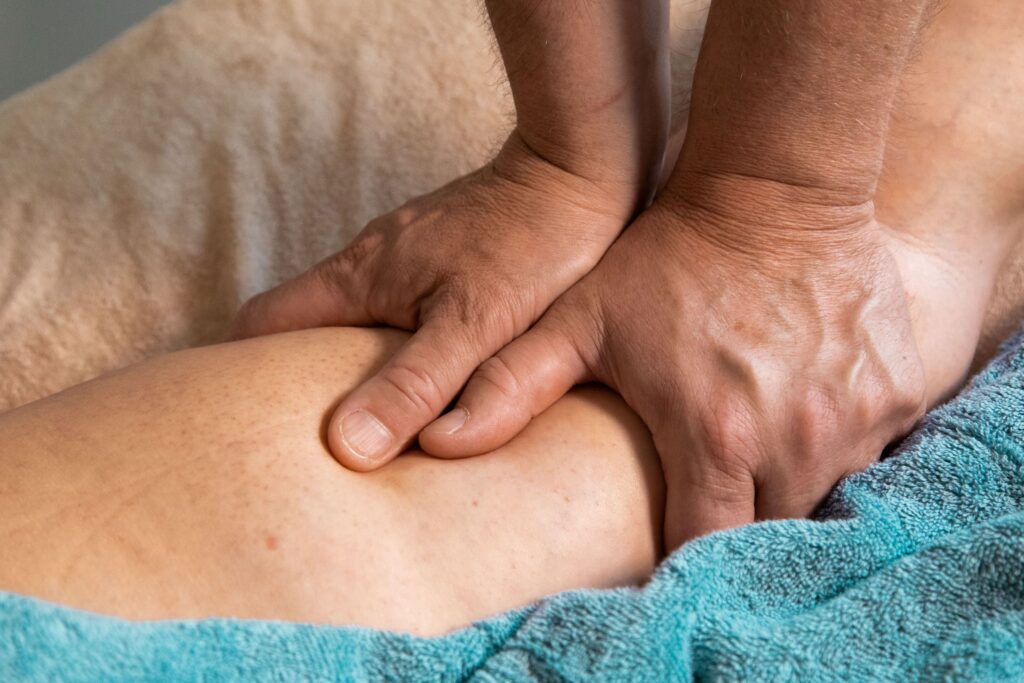
If you suffer from poor circulation and you're a smoker, now is the time to quit, since nicotine can inhibit blood flow. Maintaining a blood pressure of 120 over 80 or lower is also important. Always stay hydrated, and try to work more movement into your day, by walking, swimming or biking. Stretching can also help distribute blood throughout the body. And changing your sleeping position to keep your feet and head above the level of your heart can also improve circulation while reducing a key varicose vein risk factor. Finally, something as pleasant and simple as a gentle medical massage could help fight poor circulation by getting your blood moving with gentle pressure.
Your diet can also support improved circulation. Reduce your intake of salt and saturated fat; add fruit, vegetables, fatty fish, tumeric, garlic, ginger and even green tea, since studies suggest it can boost localized blood flow. Finally, when lifestyle measures aren't enough, seeking a prescription for compression stockings can help fight symptoms of poor circulation, including heavy legs and visible spider veins.
Left untreated, poor circulation can take a major toll on your health. That's why we want to help you spot the early warning signs and seek intervention by requesting a consultation with our vascular specialists in Georgia.
Scheduling
Please contact our dedicated specialists to schedule a consultation today.