
678.210.6259 CALL TODAY
678.210.6259 CALL TODAY
Recently, we talked about Lupita Nyong’o discussing the 77 fibroids she’s had over her lifetime. In an Instagram post shared in honor of her 43rd birthday, she emphasized the need for early fibroid screenings. After all, she noted, she’d spent years dealing with pelvic pain and heavy bleeding, but was never screened for these uterine tumors. Unfortunately, she said, “This is not a rare story. It is just a rarely told one.”
Like this Oscar-winning actress, too many women are living with undiagnosed fibroids—and suffering as a result. And so, like Ms. Nyong’o we encourage women to undergo regular screenings that help with early detection for fibroids. When diagnoses are timely, women suffer less and are able to find relief with less invasive treatment options.
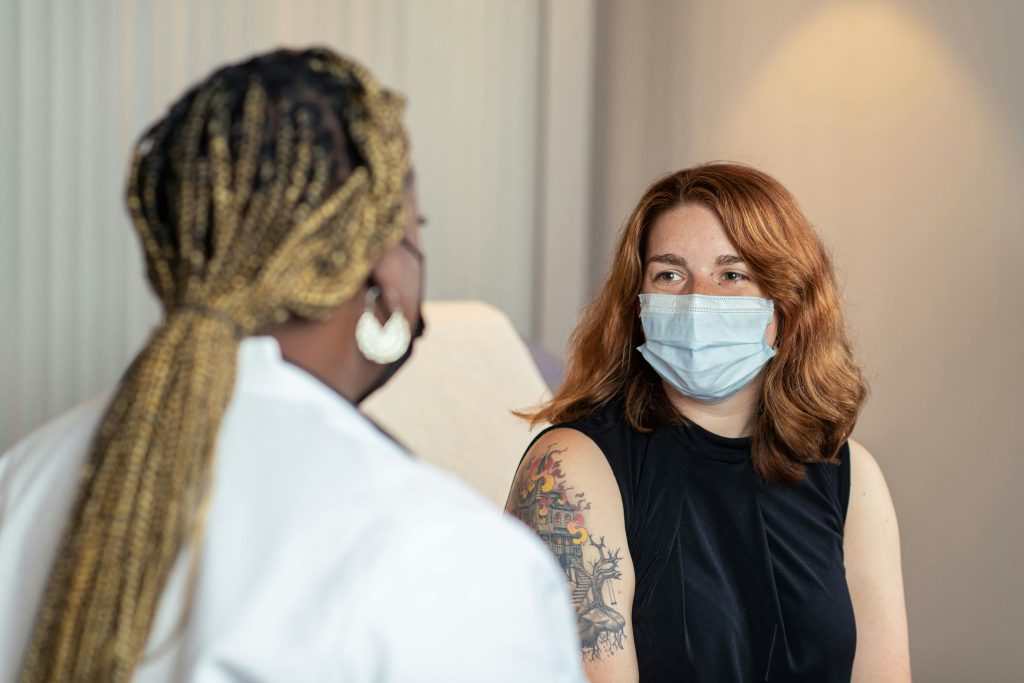
As a quick refresher, fibroids are non-cancerous tumors that grow inside or attached to the uterus. Some are undetectable. But many cause disruptive fibroid symptoms that cause women suffering. Unfortunately, because many of those symptoms are linked to women’s menstrual cycles, they are brushed off as being normal. That keeps women from seeking treatment. And it means that, when they finally are diagnosed, surgery may be their only available treatment option.
It’s true that fibroid symptoms such as menstrual cramps and long or heavy periods could be associated with other conditions. So how can you tell when it’s time to get screened for fibroids?
See your healthcare provider if you:
All of these symptoms could be related to one or more uterine fibroids. And if you detect them at an early stage, you can shrink these tumors with non-surgical procedures such as Uterine Fibroid Embolization (UFE).
When you don’t have early detection for fibroids, tumors can multiply and grow to a very large size. At that stage, many providers will recommend surgically removing these tumors via myomectomy. In some cases, they may even suggest surgically removing your womb via hysterectomy. But when you detect and treat fibroids at an earlier stage, you may be able to manage symptoms with lifestyle changes. Then, if your symptoms persist, you can still pursue UFE. And that means you won’t have to undergo surgery—and you can still preserve your fertility, if that’s important to you.
Whether you’ve been lucky enough to experience early detection of fibroids, or whether you’ve lived for years with your symptoms, never assume that surgery is your only option. Unfortunately, many caregivers fail to tell women about non-surgical treatments for fibroids. So before you schedule an invasive procedure, we urge you to consider alternative treatment pathways. And, if UFE is part of that consideration, we encourage you to contact our team of experts at Georgia Endovascular to Schedule an Appointment request a consultation. When you come to on of our three locations in the Greater Atlanta region, we can explore your UFE candidacy and help you decide on the best treatment for your needs.
Scheduling
Please contact our dedicated specialists to schedule a consultation today.