
678.208.9894 CALL TODAY
678.208.9894 CALL TODAY
Peripheral arterial disease develops when your arteries narrow, reducing blood and oxygen flow to the lower extremities. Once that happens, you can experience painful cramps (known as claudication) with movement, even if you only walk briefly. As such, one of the goals of treatment is to extend the period of PAD walking time you can complete without experiencing claudication. Luckily, new research suggests that taking an over-the-counter vitamin supplement, turning to semaglutide medications, or engaging in exercise could help you do just that.
An early Nature Communications study revealed that patients with symptoms of PAD that include claudication could extend their pain-free walking distance with a daily OTC supplement called nicotinamide riboside (NR, more commonly known as a form of vitamin B3.)
For this study, University of Florida and Northwestern University researchers followed 90 patients with PAD throughout a six-month clinical trial. At the study's conclusion participants who took a daily B3 supplement walked 57 feet farther in a six-minute timed trial than those who took a daily placebo. These findings led study author Christiaan Leeuwenburgh to say, “This is a signal that nicotinamide riboside could help these patients. We are hoping to conduct a larger follow-up trial to verify our findings.” In follow-up trials, and in your own experience, it’s very important to speak with your doctor before initiating any new supplements; B3 should be cautioned in those with liver disease, stomach ulcers, gout, diabetes, or, more importantly, those with pre-existing cardiovascular issues.
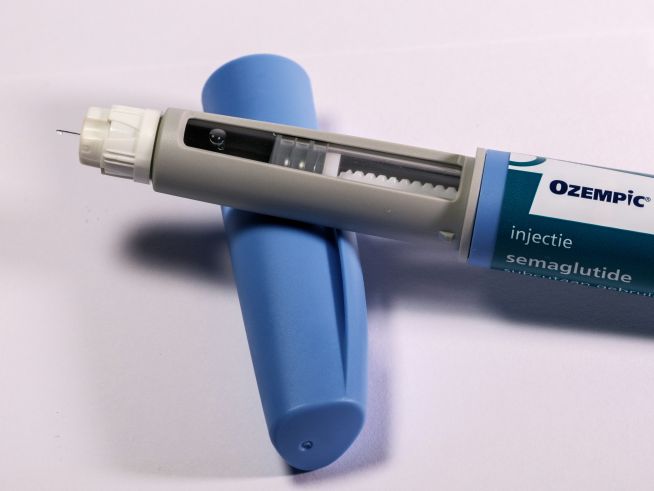
Moreover, following a recent clinical trial including 1363 patients, this study was published in The Lancet. It revealed that taking “Semaglutide increased walking distance in patients with symptomatic peripheral artery disease and type 2 diabetes.” Having gathered this information, researchers now recommend conducting further studies on this class of medication. They hope to learn whether semaglutide can also help improve walking distances for PAD patients who don’t have diabetes.
You can also boost your walking endurance with other lifestyle measures such as supervised treadmill workouts and other forms of exercise. In fact, in a new Journal of Vascular Surgery study, researchers discovered that you could extend your PAD walking distance with aerobic exercise for your upper or lower limbs. To reach this conclusion, researchers followed 104 people with PAD, randomly assigning them to either an an upper-limb aerobic exercise program, a lower-limb program or a group that didn’t exercise at all. For 24 weeks, participants in the two exercise groups engaged in twice-weekly supervised workouts. By the end of the study, participants in both exercise groups significantly improved their walking distance before the onset of claudication—by 51% for those in the upper limb group, and by 57% in the lower-limb group. For that reason, study authors concluded that aerobic exercise of any kind could have key therapeutic benefits for individuals with PAD. And that was an important finding, because it suggests that upper-limb training can provide hope for individuals who find walking or other forms of exercise too painful.
Now, the workouts in this study were supervised. But even if exercise on your own, that can still be beneficial. Simply checkout and try the best workout for peripheral arterial disease, after clearing any new form of movement with your doctor.
If your disease has progressed to the point where your symptoms are more than mild, we invite you to request a consultation at our Georgia Endovascular center. We offer minimally-invasive PAD treatments such as angioplasty and atherectomy to improve PAD walking distance while relieving other disease symptoms such as changes in skin color or texture; slower growth of leg-hair and toenails; or wounds that are hard to heal. When you come into the office, we can assess your disease progression with a diagnostic angiography to inform your customized treatment plan.
Scheduling
Please contact our dedicated specialists to schedule a consultation today.