Procedures performed
Go home same-day
vein stripping
Interventional radiologists
Removes bulging surface varicose veins through tiny pinhole incisions, with immediate, lasting
relief from aching and heaviness.
A needle injects a solution into spider and small varicose veins to fade their appearance and ease symptoms.
A thin catheter delivers radiofrequency heat to seal a faulty vein, rerouting blood to healthy veins. Treats varicose veins and venous insufficiency.
Closes faulty perforator veins (the short links between deep and surface veins) to stop abnormal blood flow.
A foamed medication is injected under ultrasound to close larger or deeper varicose veins.
Book a consultation and ultrasound — we'll recommend the best treatment for your veins. Schedule an appointment today!


Performed in our Atlanta offices, not a hospital.
Local numbing only — you stay awake and go home unsedated.
Typically the same or next day for desk work.
Medicare and most major plans cover medically necessary vein treatment.
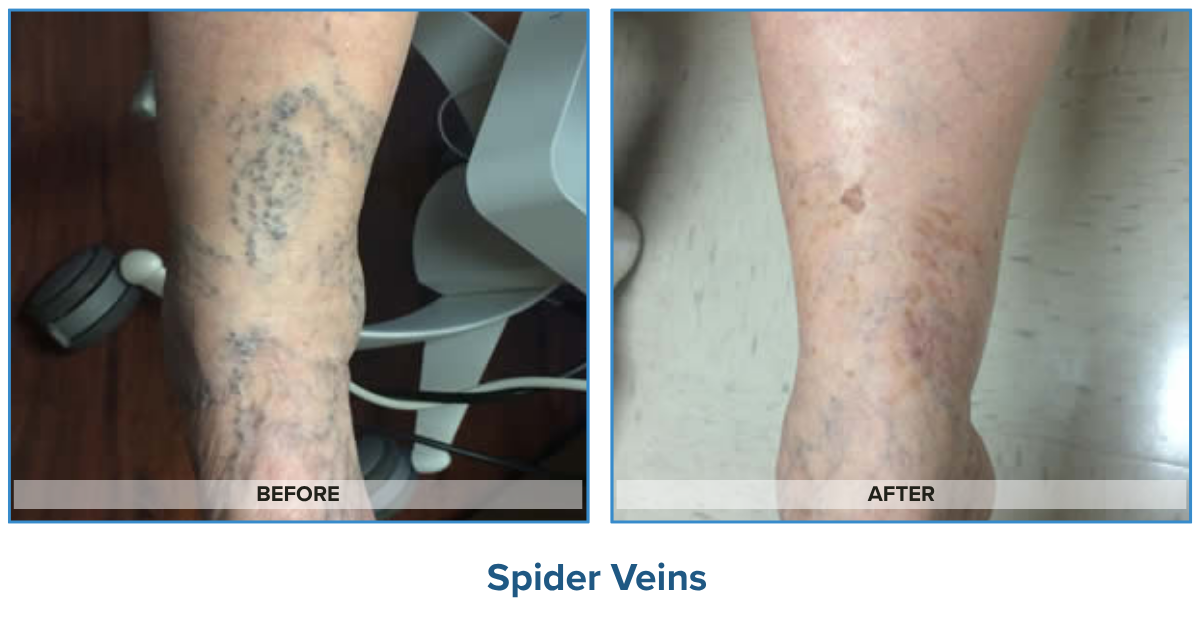
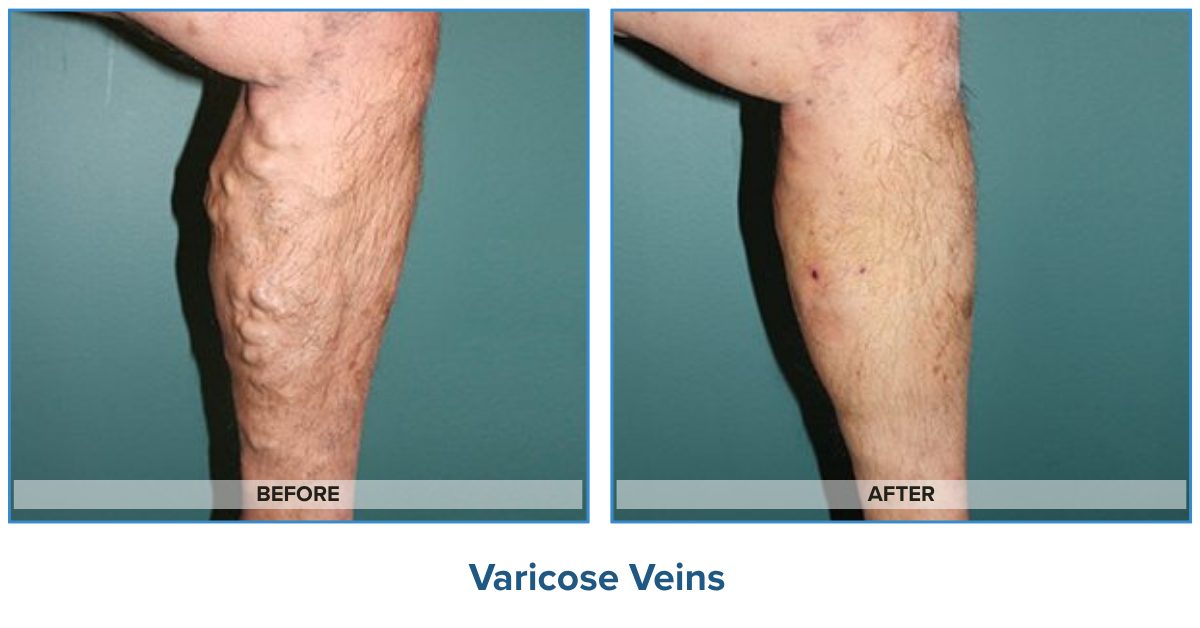
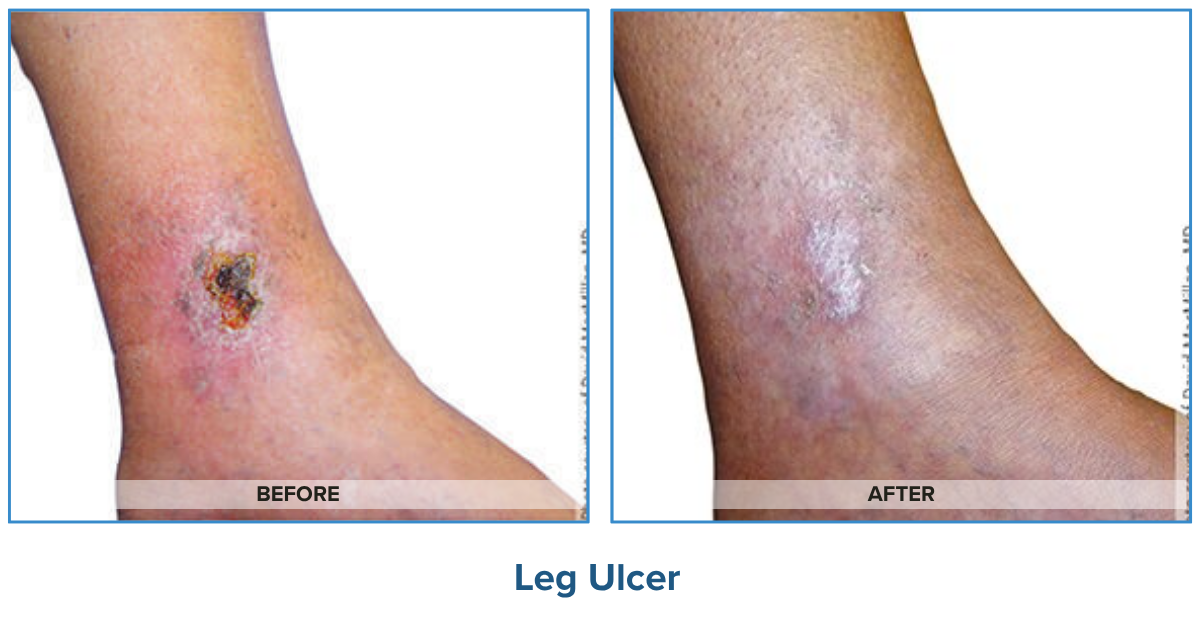
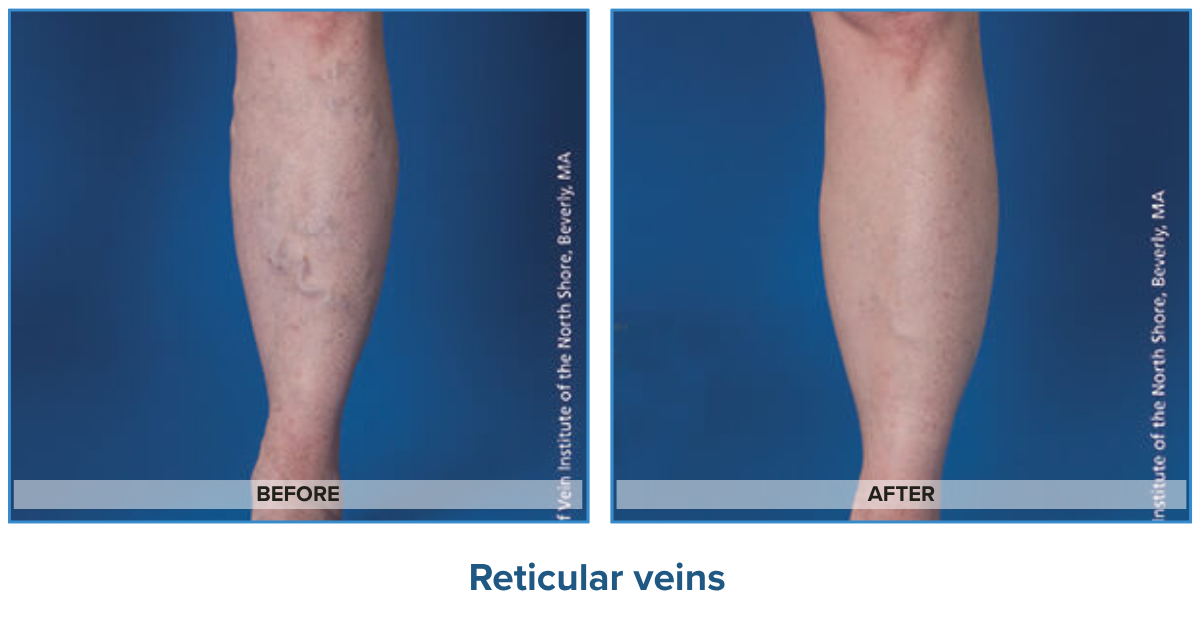
Our physicians are interventional radiologists. Treating disease through the blood vessels under live imaging isn’t a service line we added — it’s the specialty they trained in. Every catheter, needle, and closure is placed under real-time ultrasound.
We map the entire venous system before treating anything, and we work from the top of the failing segment down. Treating visible veins while the vein feeding them still refluxes is the most common reason patients end up back in a vein clinic two years later.
Our team verifies your benefits, documents what your insurer requires, and tells you your expected out-of-pocket cost before you’re scheduled. Cosmetic work is quoted separately and plainly. No one is surprised by a bill here.
| Treatment | Invasiveness | Recovery Time | Anesthesia | Effectiveness |
|---|---|---|---|---|
| Endovenous radiofrequency ablation (RFA) WHAT WE DO | Minimally invasive | Next day | Local only | High |
| VenaSeal (medical adhesive) | Minimally invasive | Same day | Local only | High |
| Sclerotherapy | Non-surgical (injection) | Same day | None | High (spider / small veins) |
| Vein stripping surgery | Surgical | 2–4 weeks | General | High |
| Compression & medication | Non-invasive | Ongoing use | None | Limited (manages only) |


3225 Cumberland Blvd. Southeast
Suite 520
Atlanta, GA 30339

1975 Lakeside Pkwy
Suite 300
Tucker, GA 30084

1035 Southcrest Dr.
Suite 220 + 250
Stockbridge, GA 30281
There isn’t one. The right procedure depends on the size, depth, and shape of the vein and where the reflux starts. Large trunk veins are usually best treated with radiofrequency ablation; twisted or deep tributaries with foam sclerotherapy; bulging surface veins with phlebectomy; spider veins with cosmetic sclerotherapy. Most patients need a combination, and your ultrasound determines the plan.
Ablation uses a catheter and heat to seal a vein from the inside and is used for large, straight trunk veins. Sclerotherapy uses an injected medication to irritate the vein lining so it scars closed, and works better for veins that are small, twisted, or awkward for a catheter to navigate. They’re complementary rather than competing — many treatment plans use both.
Your initial consultation should take about 30-45 minutes. During your appointment, you'll meet one of our physicians, then, the doctor will discuss your current symptoms and health history. At this point, we will know if you need a diagnostic ultrasound of your legs.
The ultrasound appointment takes about an hour. One of our registered vascular technologists (RVT) performs the exam. Then, one of our doctors will discuss your results.
Yes, in almost all cases. Because these procedures use local anesthetic rather than sedation, you’re not impaired afterward. If your specific plan calls for anything different, we’ll tell you in advance so you can arrange a ride.
Walking is encouraged the same day and actively helps recovery. Light activity usually resumes within a few days. Hold off on heavy lifting, intense cardio, and anything that significantly raises leg pressure for about a week, or as your physician directs. Hot yoga, saunas, and hot tubs should wait longer — heat dilates veins and can worsen swelling early in recovery.
Ablation and sclerotherapy leave no meaningful scarring — the entry points are needle-sized. Phlebectomy leaves a series of marks roughly the size of a pen tip, which fade substantially over several months and are usually difficult to spot at conversational distance.
Often, briefly. Bruising along treated veins is common and typically peaks within the first week. Firm, tender cords where a vein is scarring down can persist for several weeks. Both resolve. Cosmetic improvement is gradual and continues for months as the treated vein is absorbed, so judge the result at three to six months rather than at three weeks.
Once you have completed your personalized treatment plan, you will be prescribed post-treatment compression stockings.
It depends entirely on which procedures you need and how many veins are involved, so we won’t quote a number here that turns out not to apply to you. What we will do is give you a specific written estimate after your ultrasound, before you schedule anything. Cosmetic spider vein treatment is priced separately, since insurance doesn’t cover it. See our insurance & billing page for additional info.
Come in for a new ultrasound. Recurrence is common when the original source of reflux was never mapped or was only partly treated, and there’s often a straightforward explanation on the scan. Previously treated legs are very much treatable — the approach is just more targeted. Schedule an appointment here.
Scheduling
Please contact our dedicated specialists to schedule a consultation today.